
Car parking waterproofing - Permeable pavings
Car parking waterproofing - Permeable pavings
Waterproofing for traffic systems
Vehicle traffic roofs are flat surfaces exposed to moisture, rain, extreme temperature changes, and wear from vehicle traffic.
Whether it’s an open-air parking deck, an underground garage, or a smart parking facility (parking tech), properly waterproofing the deck is key to:
- Prevent pavement cracking and deterioration.
- Prevent seepage (which can lead to leaks and dampness on lower floors in multi-level parking garages).
- Prevent the formation of standing water or icy, slippery surfaces.
- Extend the service life and reinforce the structural capacity of the surface.
Liquid waterproofing systems for parking decks allow the surface to be sealed without the need for construction work, as they can be applied directly to the pavement, saving both time and money.
Car park waterproofing using a liquid polyurethane membrane ensures a continuous, fully bonded surface with no joints or overlaps, ideal for the safe movement of vehicles and pedestrians.
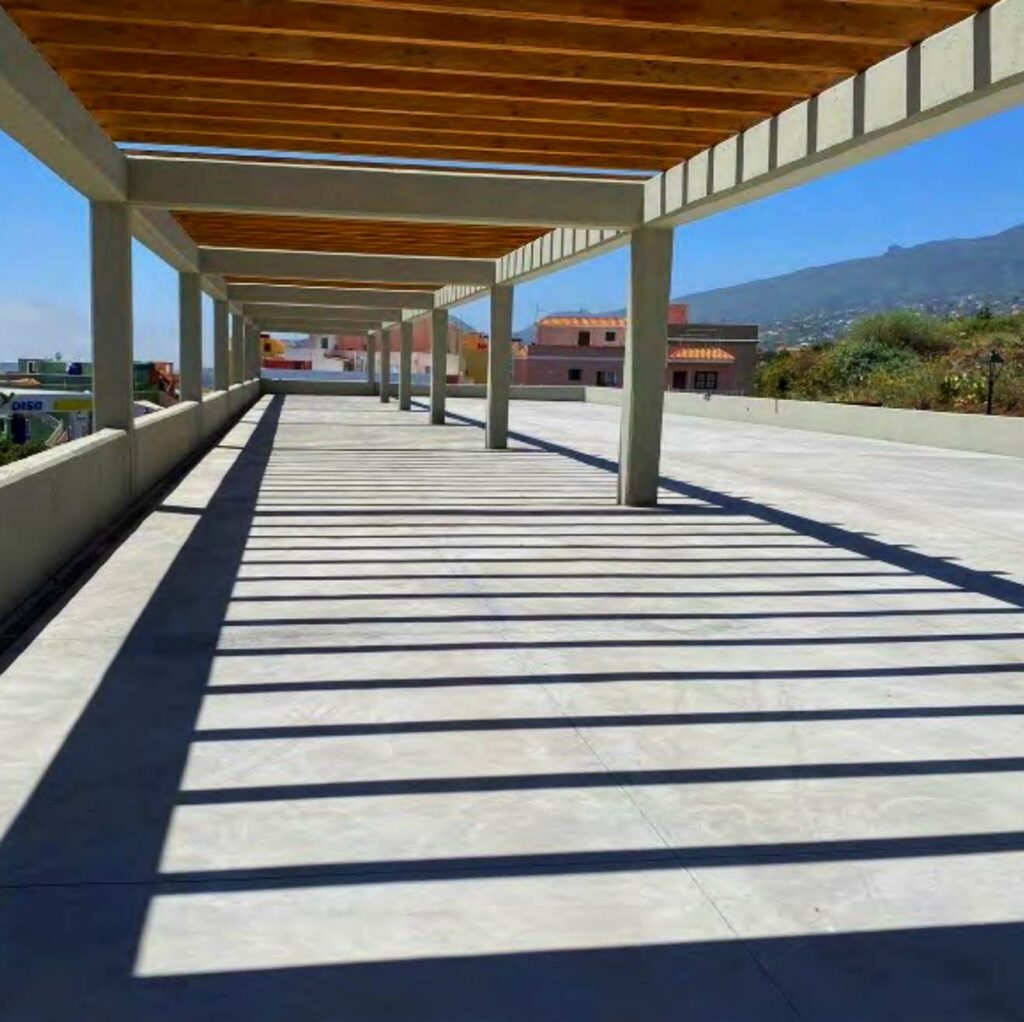
How to waterproof a parking garage roof
Substrate preparation
Before applying the liquid polyurethane membrane, cracks must be filled, and expansion joints must be properly treated with polyurethane sealant or MS (Ultraflex Selant). If necessary, mortar should be used to create half-round profiles. The surface must be smooth, firm, dry, and completely free of dust or grease. In some cases, sanding the surface will be necessary to achieve an open-pored substrate or to remove old coatings, paints, or any other elements that could compromise the system’s adhesion.
Primer application
In this step, you can choose between a low-viscosity polyurethane resin (UltraPrime PRO) or a two-component self-leveling epoxy resin (UltraPrime REG) to ensure adhesion and improve the substrate’s flatness before applying the liquid polyurethane membrane for vehicular traffic.
Membrane application
Now, it’s time to apply the UltraFlex liquid polyurethane membrane with Quickcure additive using the wet-on-wet method (double layer applied wet and fully reinforced with Eagle Matting), with a minimum consumption of 2 kg/m2 to create a membrane with a minimum thickness of 1.5 mm.
Finishing application
As a topcoat, two layers of a two-component aliphatic polyurethane membrane for heavy traffic (Ultratop WR) are applied. To achieve a non-slip finish on the roof, spread aggregate with a sufficient particle size between the two layers of aliphatic protection.
This results in a continuous pavement without joints or overlaps, with a uniform surface suitable for withstanding vehicular traffic in parking garages.
Permeable floors
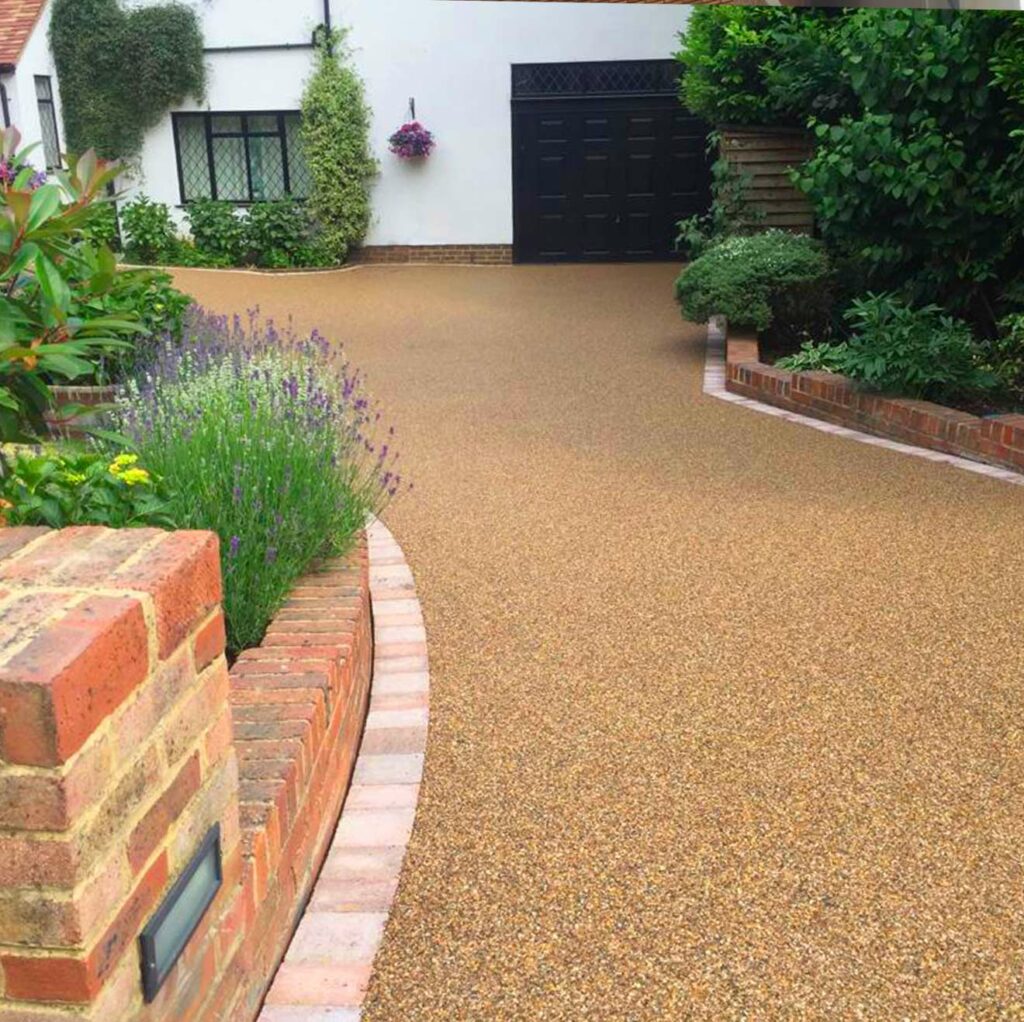
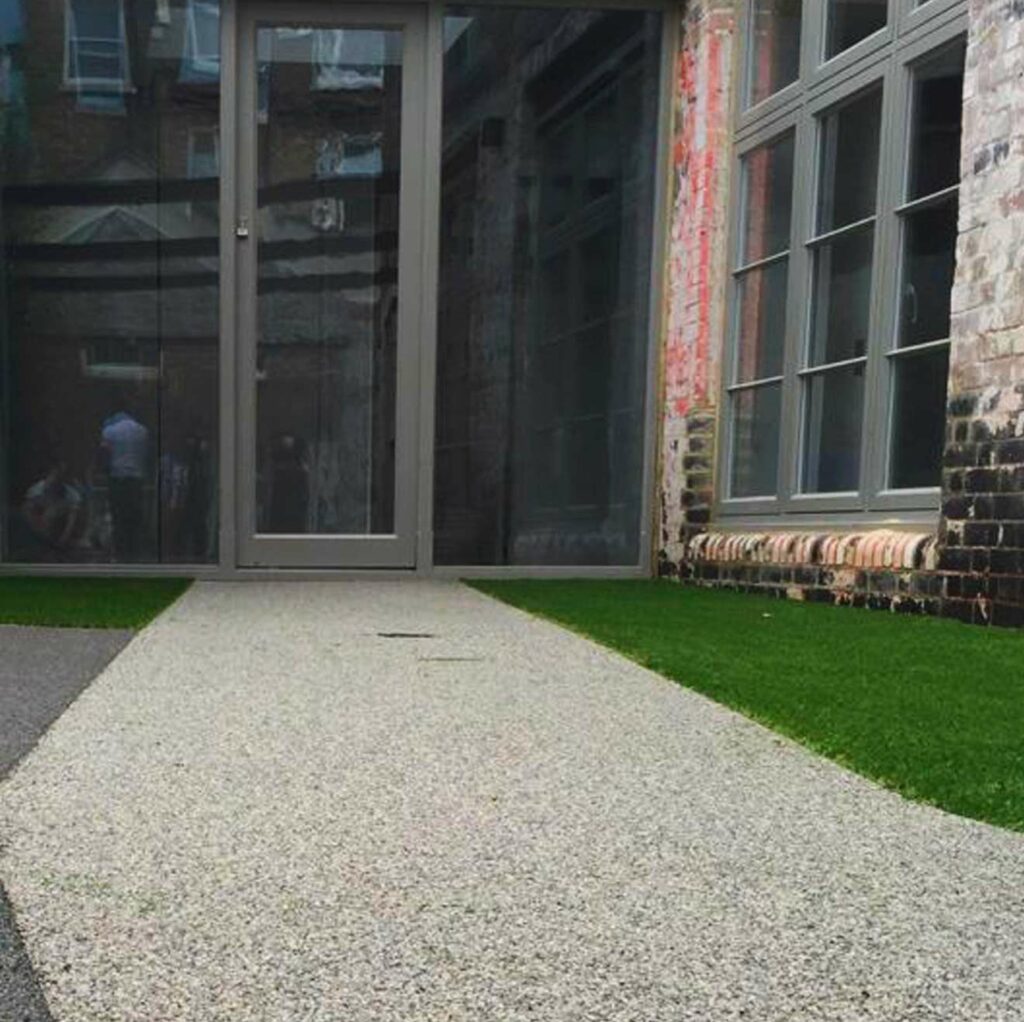
In some cases, it’s advisable to create permeable paving at the entrances to homes or residential garages. These permeable floors drain water, preventing the formation of puddles and facilitating the movement of people and vehicles indoors.
Applying a permeable resin to a garage floor:
- Prevents water accumulation and, consequently, the formation of puddles.
- Prevents the formation of ice rinks, as the permeable pavement releases heat to the surface.
- It is applied directly to the surface, requiring no remodeling or construction work.
- It enables the creation of continuous pavements, ensuring safe and unobstructed driving on the surface.
- It offers superior slip resistance compared to other commonly used coatings, such as gravel or stone.
How to apply permeable resin on garage floors
To achieve high-quality permeable floors, it’s important to apply the permeable resin to a properly leveled, dry concrete surface with a minimum strength of C35.
Additionally, the recommended aggregate size is 3–5 mm, with a mixing ratio (by weight) of 1:13.5. The mixture should be spread using a shovel or trowel to control the thickness. The drying time, depending on conditions, can range from 1 to 2 hours.
After properly applying the draining resin, you’ll have draining floors with aggregates that will be ready for use after about ten hours.
The importance of continuous paving on garage floors
To ensure safe driving while protecting the pavement, parking decks, and garage floors, they must not only be waterproofed with proper drainage, but also feature a continuous pavement without joints or discontinuities.
Among the garage flooring solutions available on the market, epoxy resin is a system that is particularly well suited for areas subject to traffic.
While epoxy resin is the most widely known garage flooring system, combinations of epoxy and polyurethane are more durable and generally exhibit better aging characteristics. As always, the market offers a wide range of qualities, so it’s important to thoroughly research the system before making a choice.
Advantages of epoxy or polyurethane garage floors
Among other benefits, continuous resin flooring offers excellent adhesion to concrete and saves time and money, as it can be installed over existing pavement.
Both polyurethane and epoxy resin for garage floors yield surfaces that are:
- Slip-resistant
- Resistant to traffic and heavy use
- Continuous
- That do not deform due to heat
- Aesthetically adaptable, with a wide variety of finishes available
- Easy to maintain and clean, as the continuous resin pavement prevents water and dirt from accumulating.
How to achieve a continuous exterior or interior pavement
First, we’ll need a primer resin. Depending on the conditions, this could be:
- Sealing polyurethane resin to seal and regulate polyurethane absorption on porous substrates.
- A self leveling epoxy floor coating to regulate and level the substrate under special conditions.
- Waterproof epoxy resin to absorb and block moisture in the substrate and act as a vapor barrier. Some, like UltraDry, also act as a barrier against radon gas.
Once the primer base is complete, the liquid waterproofing system for traffic systems is applied if waterproofing is required, or the two-component aliphatic polyurethane resin finish is applied to provide a protective film resistant to vehicular traffic.
Related applications and keywords: Parking deck waterproofing, permeable outdoor surfacing, permeable surfacing, permeable car park surfacing, permeable car park paving, epoxy self leveling floor, self levelling floor resin, garage floor self leveling and self levelling epoxy floor paint.
Mobility and parking projects
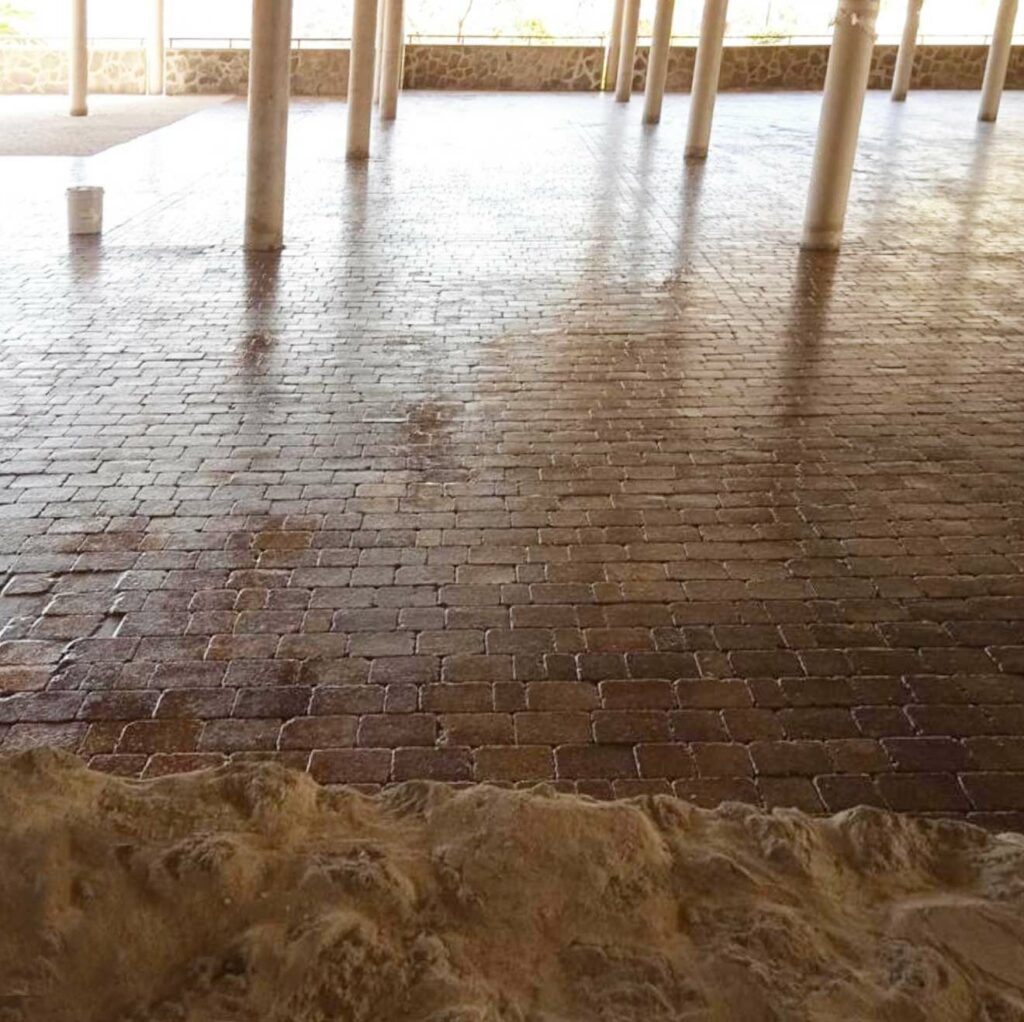
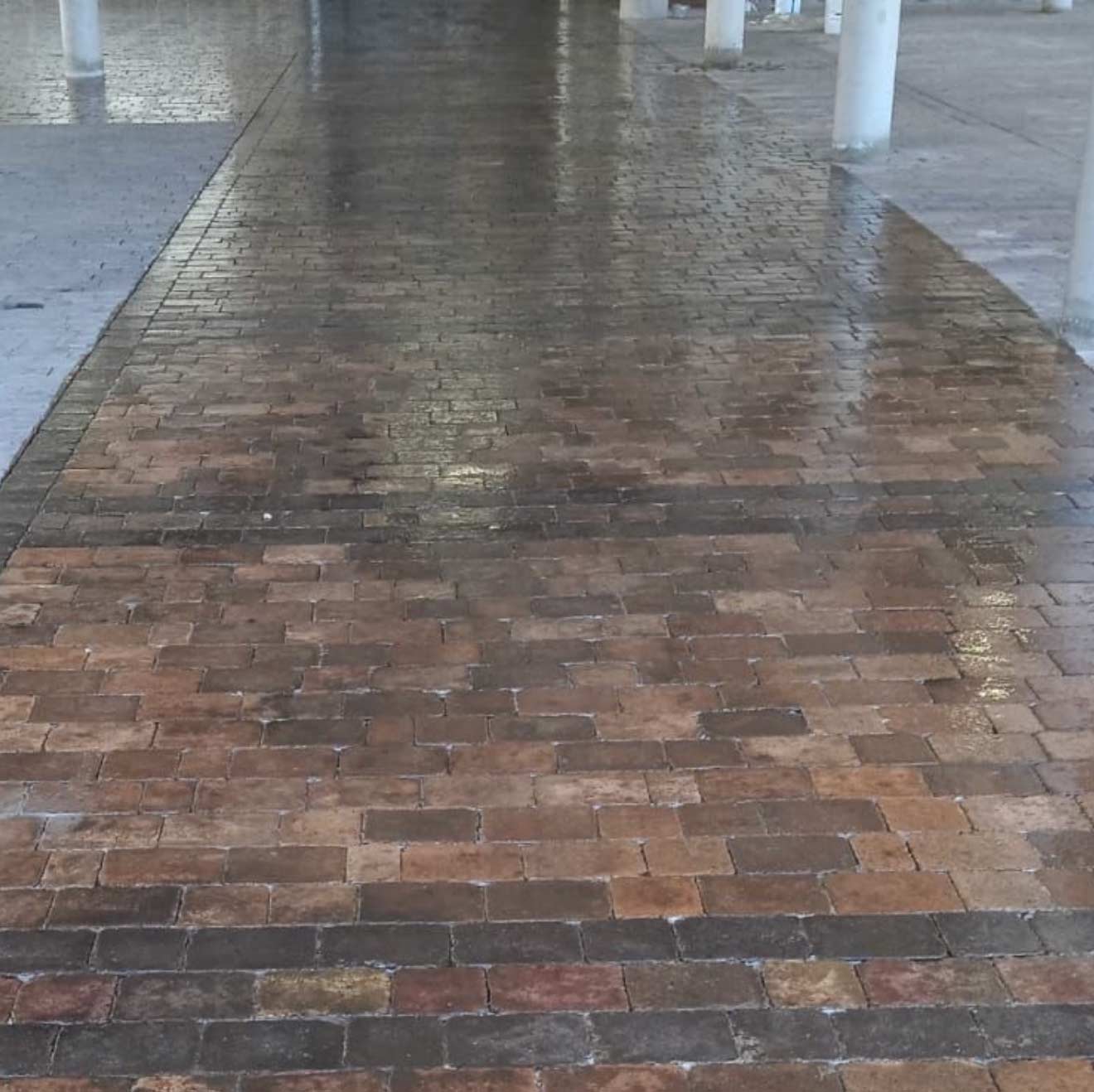
In this project, liquid waterproofing for traffic systems was applied to create a continuous, waterproof pavement over concrete in the Agromercado public parking lot (La Palma).
In addition, Eagle’s parking and mobility systems can also be applied to vehicle entrances and private estates.
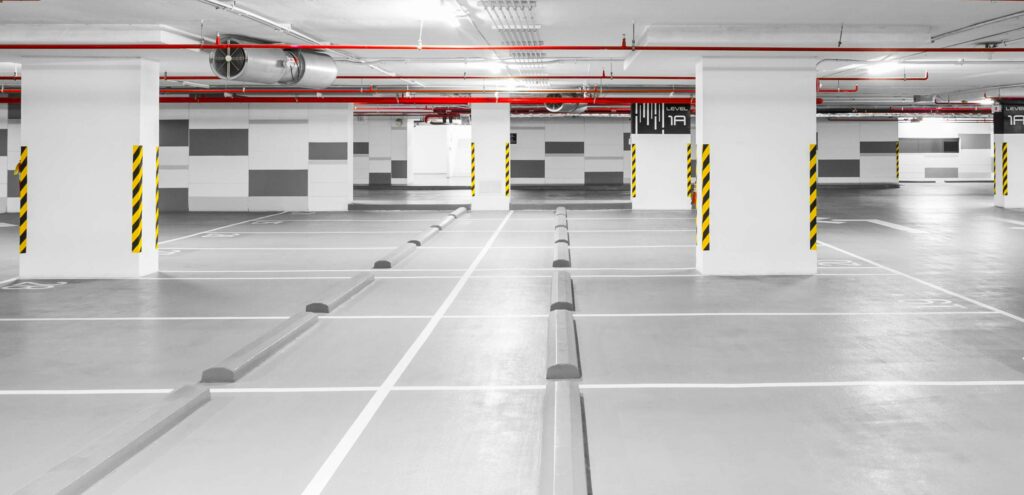
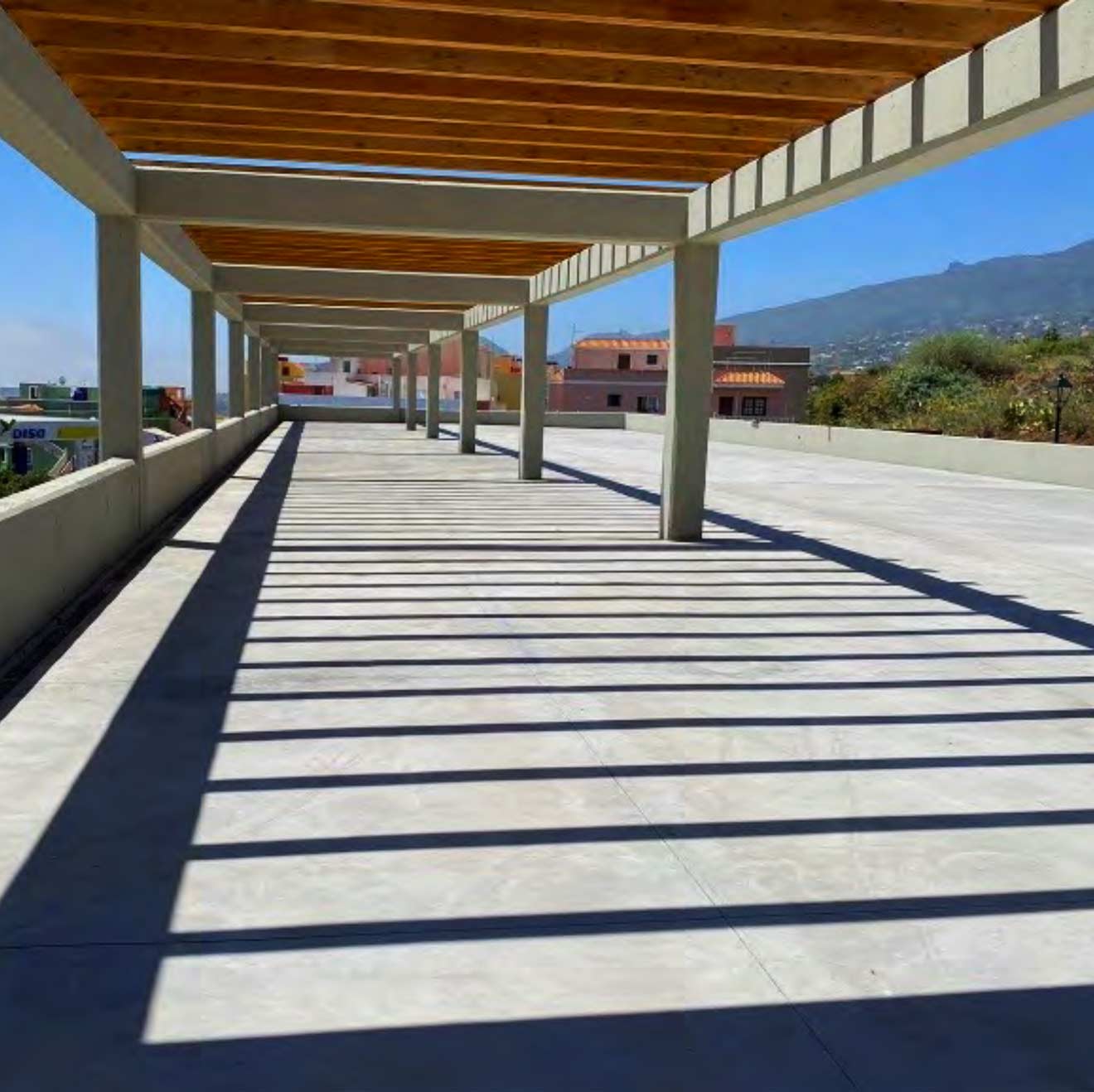
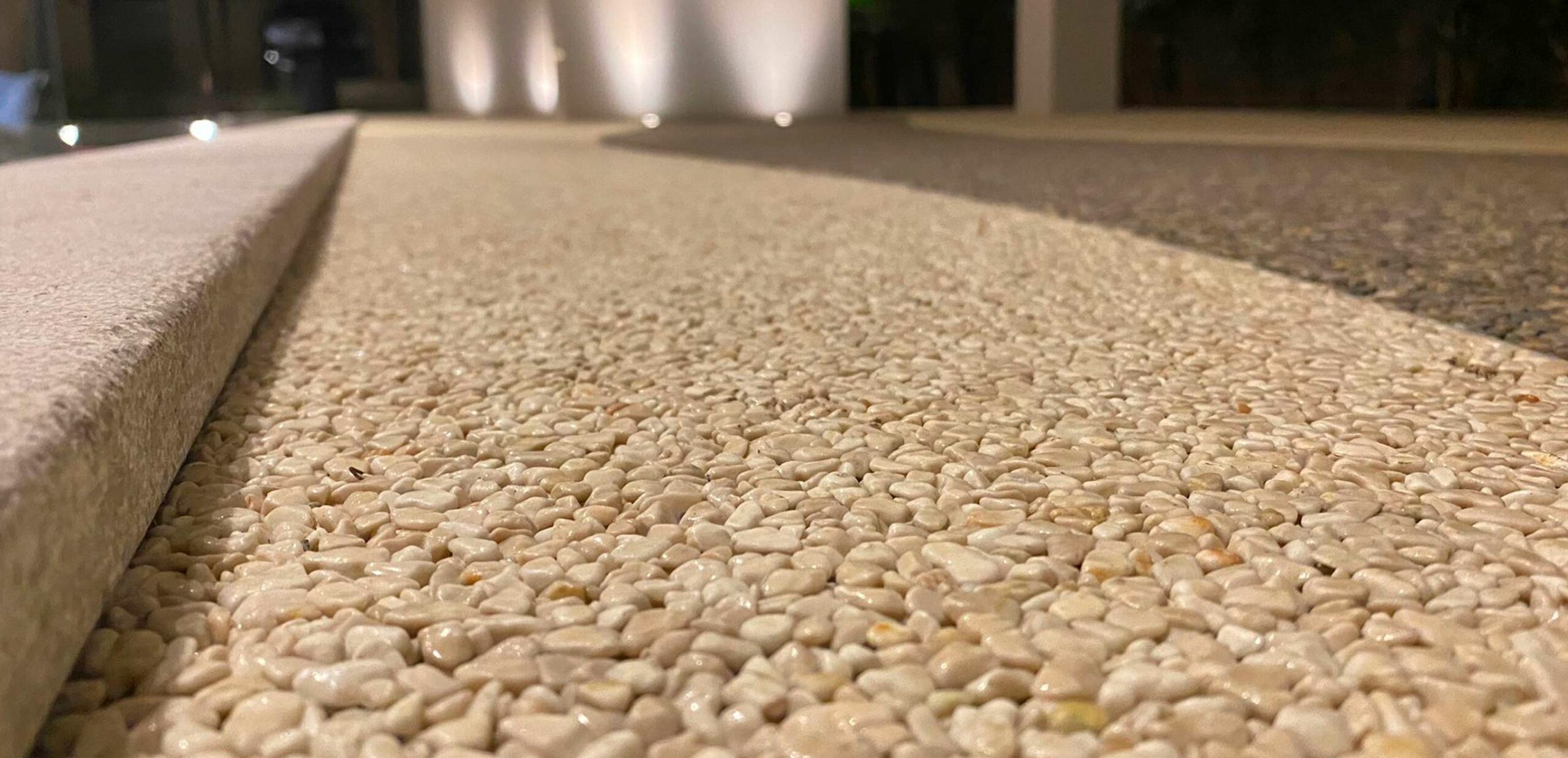
Projects completed with:

UltraFlex, a single-component, moisture-reactive, cold-applied liquid polyurethane membrane that forms a continuous waterproof membrane, ideal for liquid waterproofing of roofs.

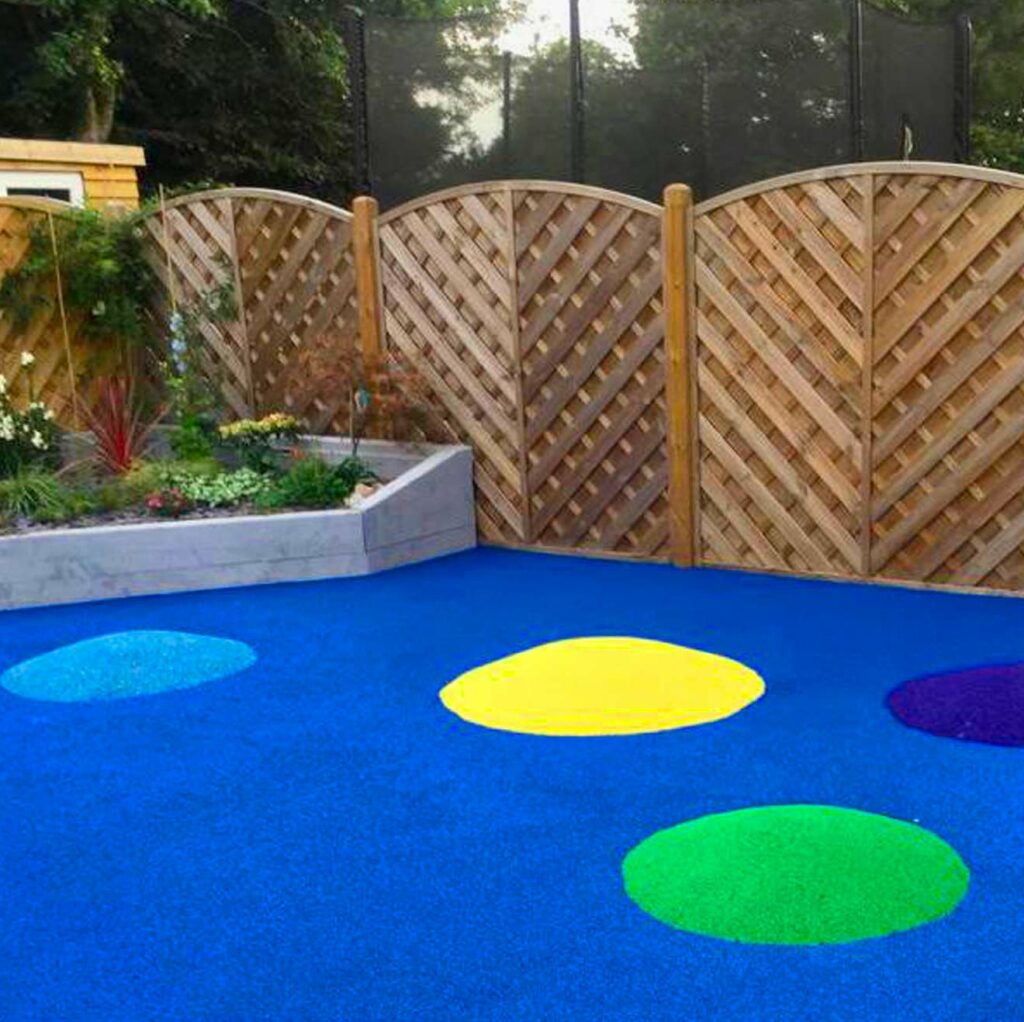
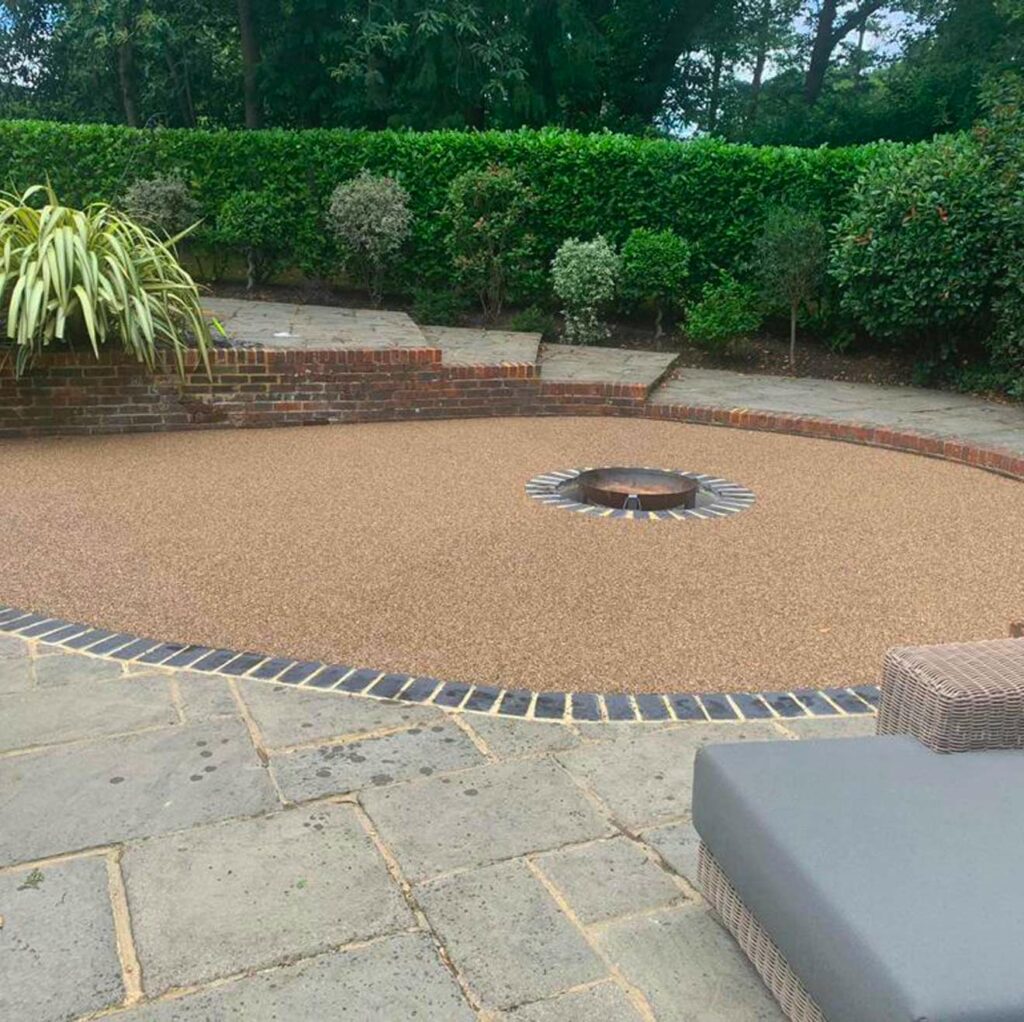
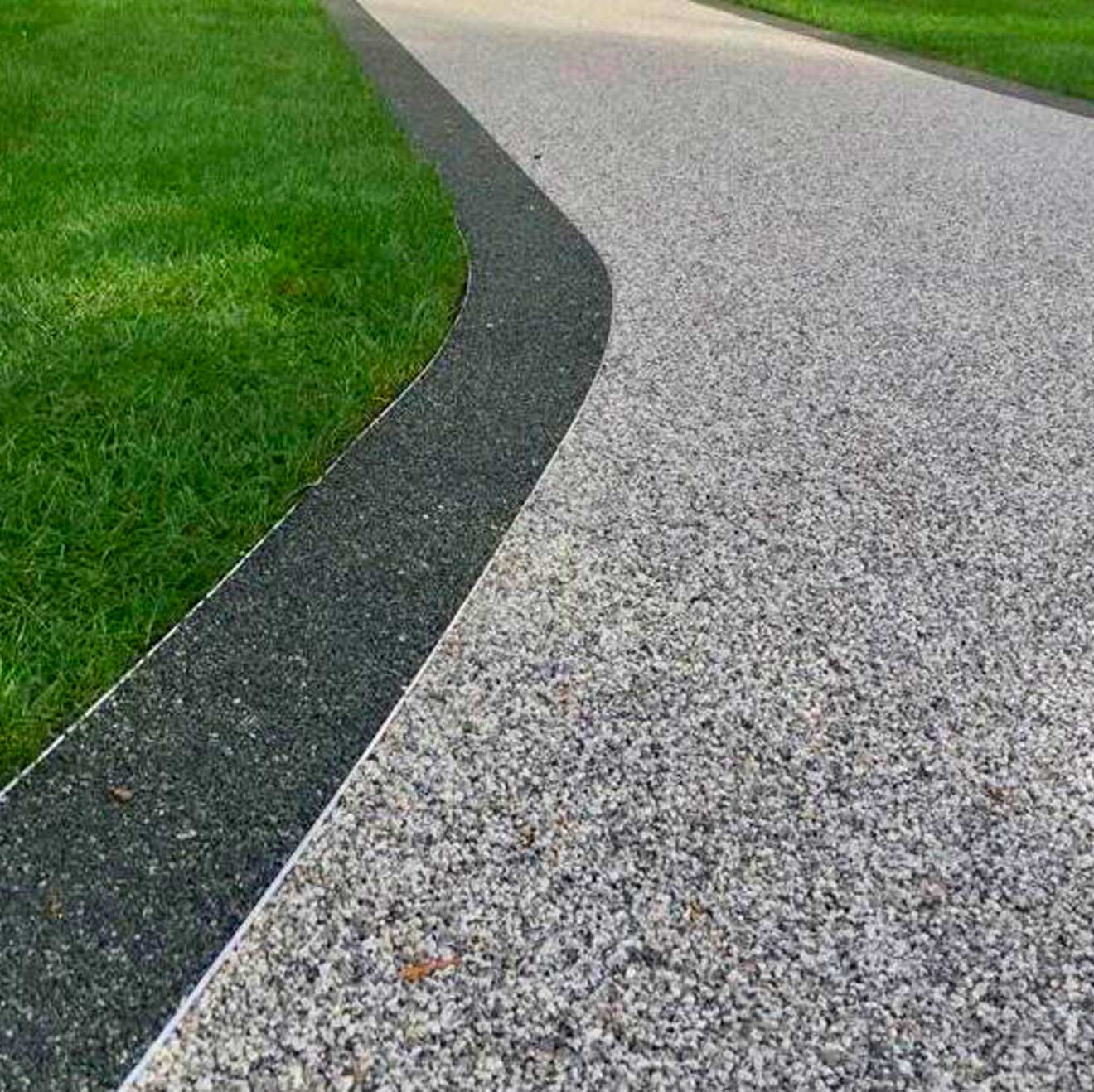
Eagle Stone Resine, a two-component transparent aliphatic polyurethane resin designed for use with aggregates on various surfaces such as vehicle entrances, parks, or sidewalks.
UltraPrime PRO, a low-viscosity, 100% solids, two-component resin, specially developed to seal porosity and improve substrate planarity in Ultraflex TRAFFIC systems when the substrate is in good condition.
UltraPrime REG, a two-component leveling resin, is designed as a repair solution for substrates made of mortar, concrete, ceramic, and more. It also serves to level surfaces prior to the application of our range of polyurethanes and polyureas.
UltraTop WR, a two-component aliphatic polyurethane resin, is used as a coating and protection for the ULTRAFLEX aromatic polyurethane liquid membrane. Fully resistant to vehicular traffic and weathering.